

If you’ve been pricing materials of late, you’ve probably noticed that the cost of cedar has soared. Architects and builders who rely on cedar for its timeless look and reliable performance are facing sticker shock, forcing them to weigh up alternatives and get creative. So, why is cedar so expensive?
We’re here to explore this rising cost and highlight cost‑effective alternatives that deliver the same warmth, texture and staying power you’ve come to expect from cedar. This means you can keep projects on budget without sacrificing design intent or long-term durability.
Why Is Cedar So Expensive? What You Need to Know.
Cedar is a preferred choice among architects and builders for its natural beauty, durability and versatility. But in today’s market, those qualities come with a premium price tag.
To make the right decisions for your project, it’s important to understand what’s driving costs so high and why alternatives might make more sense than ever.
Here are three key reasons why cedar is so pricey right now.
Global Supply Chain Issues
The past few years have put unprecedented strain on global supply chains and the lumber market is no exception. From transportation bottlenecks and labor shortages to fluctuating tariffs, the flow of cedar has slowed. Even seasoned suppliers are struggling to maintain steady inventory and that scarcity drives prices even higher.
Increased Demand for Cedar Wood
At the same time, demand for cedar hasn’t slowed down. More builders and homeowners are seeking out cedar for decking, siding and trim because of its longevity and low maintenance.
With more residential and commercial projects competing for limited stock, the market becomes even tighter, pushing prices beyond what many budgets can comfortably handle.
Environmental Factors Affecting Cedar Availability
Environmental regulations and sustainable forestry practices, while critical for protecting ecosystems, also limit how much cedar can be harvested. In some regions, wildfires, pests and disease have reduced healthy cedar, making quality material even harder to source.
These environmental pressures create another layer of complexity, keeping cedar in high demand and short supply.
What Makes Cedar So Valuable?
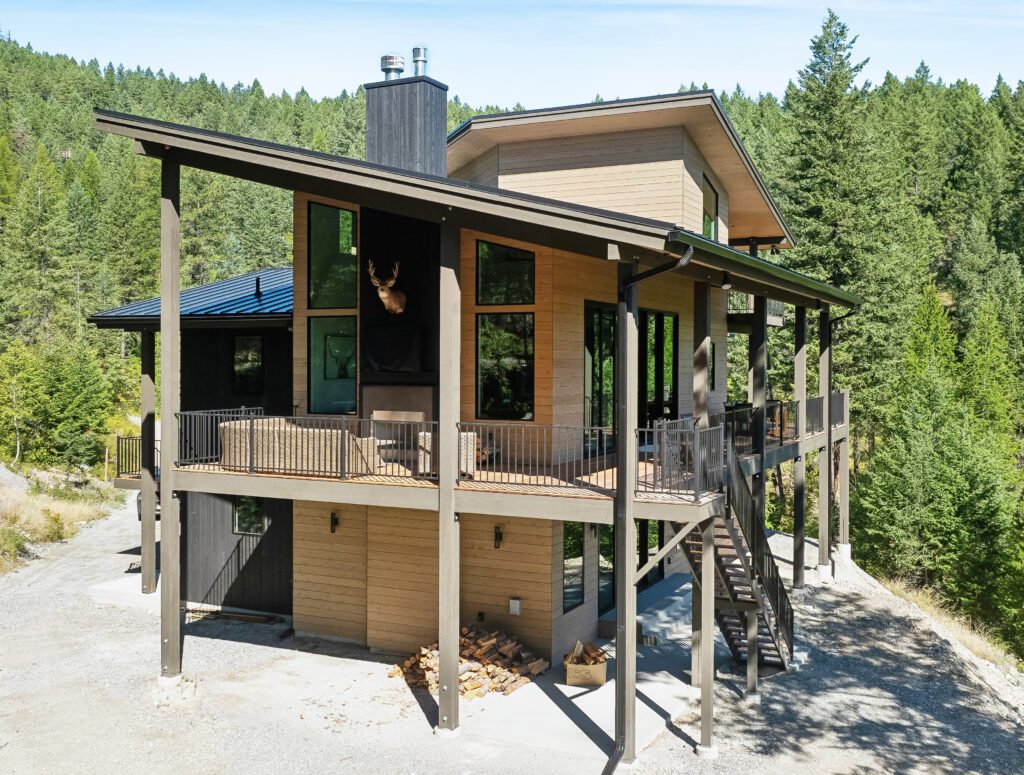
Despite the rising costs, cedar remains a coveted material in the building world. Its unique combination of performance and gorgeous visual appeal makes it a top choice for projects that prioritize quality.
Here’s why so many architects and builders have long considered it worthy of an investment.
Durability and Resistance to Decay
Cedar’s natural oils make it exceptionally resistant to moisture, insects and rot. This translates to fewer maintenance needs and longer lifespans for siding, trim and exterior features.
For builders, this breeds confidence in delivering a product that will stand up to the elements year after year without costly callbacks or repairs.
Aesthetic Appeal and Versatility
Cedar’s warm tones, fine grain and ability to take stains or finishes beautifully make it a design favorite.
Whether you’re aiming for a rustic charm or a modern façade, cedar adapts seamlessly. Its versatility allows architects and builders to achieve standout looks while working within a wide range of architectural styles and project types.
What to Use Instead of Cedar
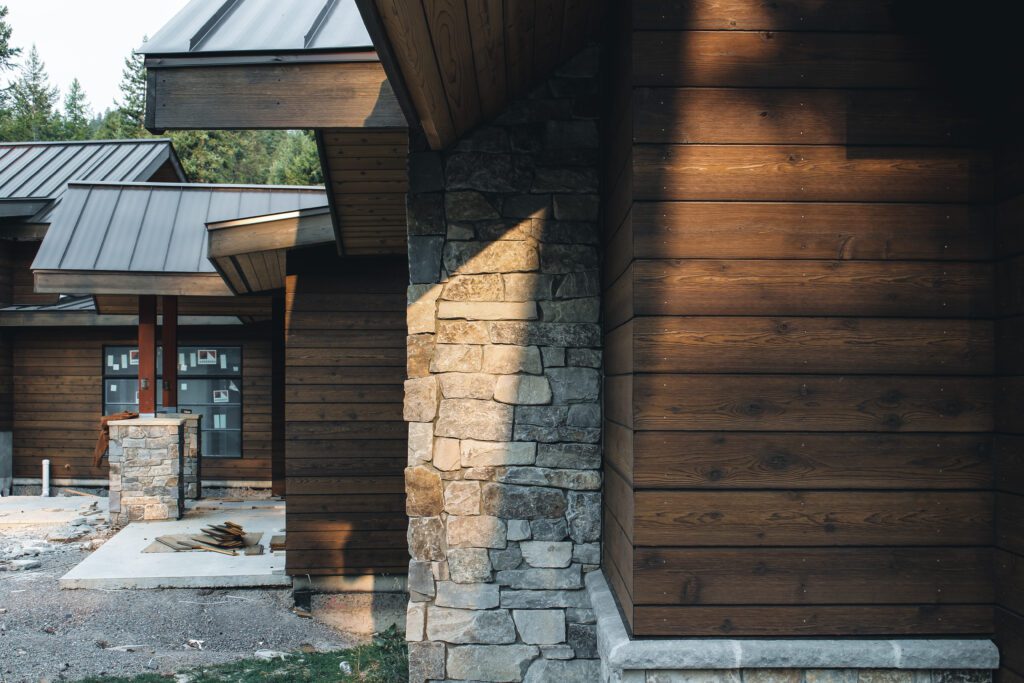
The good news? Rising prices don’t mean you have to compromise on style or performance. Plenty of materials on the market can deliver a similar look and durability without stretching your budget.
Here are a few smart alternatives architects and builders are turning to right now.
Pine: A Budget-Friendly Alternative
Pine is widely available, easy to work with and less expensive than cedar. While it doesn’t offer the same natural resistance to decay, using treated pine or applying protective finishes can help extend its lifespan. It’s a go-to option for interior accents, trim or exterior elements that will be regularly maintained.
Similarly, fir is another softwood that offers a smooth finish and good structural strength, making it a reliable and cost‑effective choice for framing and exterior applications when properly sealed.
Redwood: Similar in Appearance and Durability
If you’re drawn to cedar’s rich color and grain, redwood is a close match in aesthetic and performance. Naturally resistant to insects and decay, redwood stands up well in outdoor applications. It can be a bit pricier than pine, but it’s still often cheaper than current cedar costs.
Pressure-Treated Lumber: A Cost-Effective Option
Pressure-treated lumber is engineered to resist moisture, insects and rot. This makes it a top material for decking, fencing and structural uses. Its affordability and availability make it a great substitute for cedar in areas where strength and durability matter more than natural appearance, especially when painted or stained.
Composite Materials: Long-Lasting and Low Maintenance
For projects that demand minimal upkeep, composite materials are worth considering. Made from a blend of wood fibers and recycled plastics, composites mimic the look of natural wood while offering superior resistance to weather, warping and fading.
Composite materials are ideal for builders and architects who want a sustainable, low-maintenance solution that still delivers on style.
How to Choose the Best Alternative for Your Project
Selecting the right material isn’t just about finding something cheaper. Instead, it’s about matching the needs of your design, climate and long‑term maintenance plan. By weighing cost, durability and appearance, you can confidently choose a material that delivers both beauty and performance.
Considerations for Cost, Durability and Appearance
When evaluating cedar alternatives, start with your project priorities. Is upfront cost the driving factor or do you need a material that will hold up for decades with minimal upkeep?
Consider the local climate, as moisture, pests and temperature swings can all affect performance. Finally, look at the aesthetic: do you need a natural grain that mimics cedar or will a painted or composite finish fit the design intent just as well?
How to Maintain Your Cedar Alternative
Even the best materials benefit from proper care. Pine and fir may need sealing or staining every few years, while redwood requires occasional cleaning and refinishing to preserve its color. Pressure‑treated lumber should be inspected regularly for cracks or splits and composites benefit from routine washing to keep them looking their best.
A routine maintenance plan will ensure whichever alternative you choose stays strong and beautiful for years to come.
How Glacier Millworks Can Help
Rising cedar prices don’t have to derail your next project. By understanding why cedar is so expensive and exploring smart alternatives, it’s possible to create standout projects that balance performance, style and budget.
With the right material choice, you can deliver the look and longevity your clients expect without overspending.
At Glacier Millworks, we’re committed to helping you navigate these decisions with confidence. Explore our product lines to find the perfect solution for your next project. You can also request a sample to see and feel the quality for yourself.