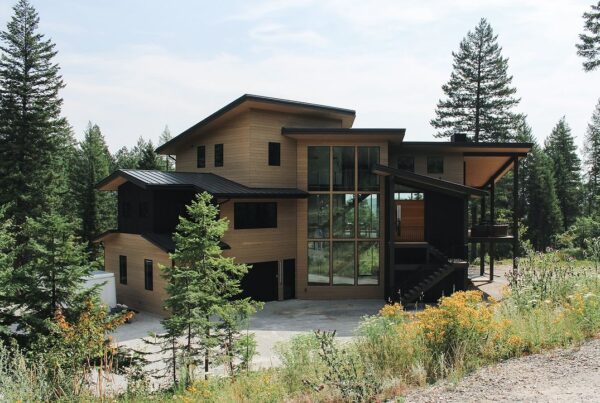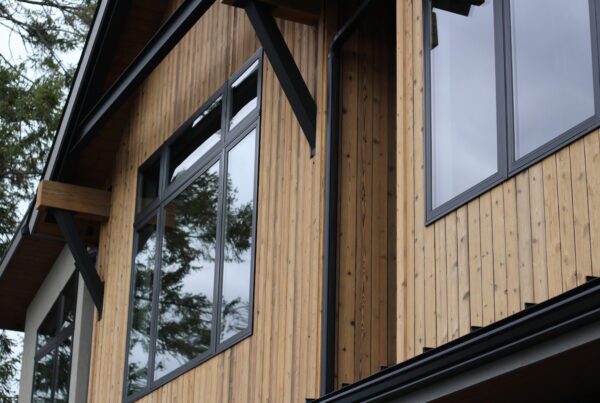

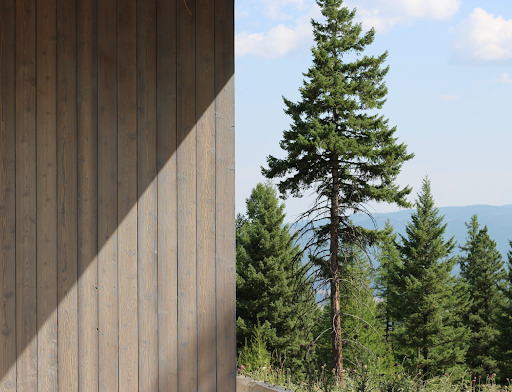
Shou Sugi Ban wood, or Yakisugi, is an ancient Japanese technique of charring timber that strengthens the wood while showcasing a striking aesthetic.
The method celebrates the raw beauty of wood while making a bold, modern design statement. For architects and builders, this balance can inspire façades and interiors that feel both timeless and memorable.
Like all natural materials, Shou Sugi Ban wood evolves with time. As the carbon layer weathers, each installation develops a one-of-a-kind patina. The challenge lies in understanding how to preserve Yakisugi while embracing the beauty of its natural aging process.
To maximize the impact of charred wood in your projects, here’s everything you need to know about the application, finishes and maintenance of Shou Sugi Ban.
What Is Shou Sugi Ban Wood?
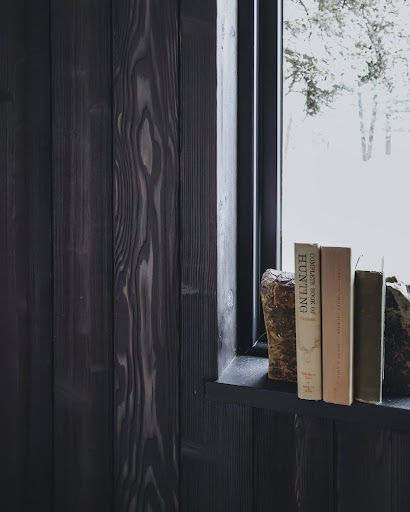
Shou Sugi Ban wood is a centuries-old Japanese method that transforms timber through fire, enhancing its resilience while unveiling a bold, eye-catching appearance. The process accentuates the natural grain, giving the wood a dramatic appearance that ranges from deep matte black to subtle silver-gray tones as it ages.
History and Origins
Originating in 18th-century Japan, Shou Sugi Ban was developed to protect homes and temples against the elements. Builders discovered that charring cedar planks could create a hardened surface less prone to decay, insect damage and weathering.
Over time, this process evolved into an art form, celebrated for its balance of hardiness and beauty. Today, Shou Sugi Ban wood stands as both a cultural tradition and a design technique.
Modern Application in Residential Architecture
In modern homes, Yakisugi has become a bold feature that blends heritage with innovation. As an architect or builder, you can utilize this technique for exterior cladding, siding, fencing and even interior accents to create incredible statement walls or ceilings.
The material’s evolving patina is both dynamic and uniquely personal, as can be seen in our Timber Forge line. This Yakisugi-inspired line ranges from fresh and pale to moody and dark tones, and everything in between. Each board is carefully burned and brushed by hand to achieve a one-of-a-kind finish.
Modern Application in Commercial Architecture
In commercial architecture, Shou Sugi Ban wood delivers a balance of resilience and refined design. Its striking texture and natural durability make it a compelling choice for projects that demand both longevity and visual distinction.
From hospitality and retail environments to office and institutional buildings, Yakisugi introduces a sense of authenticity that connects contemporary structures with nature. Its charred surface creates depth and warmth in spaces that often rely on harder, more industrial materials.
When used for facades, entryways or interior wall systems, Shou Sugi Ban enhances the textural experience of a space while supporting sustainable and biophilic design goals.
Each board in our Timber Forge line is carefully burned and brushed by hand to achieve a one-of-a-kind finish that brings this artistry to commercial environments.
Intentional Charring vs. Natural Carbon Fading
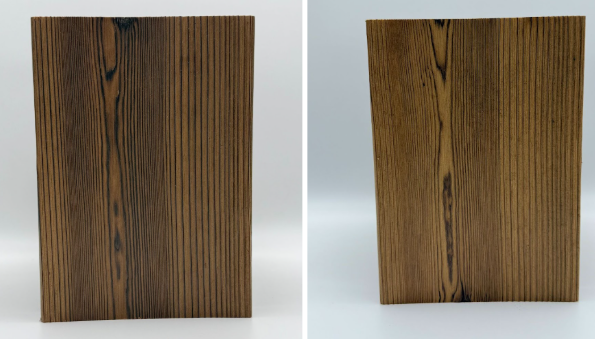
Shou Sugi Ban wood’s distinctive look requires expert craftsmanship, but its eye-catching appearance doesn’t remain static. Understanding the difference between initial charring and the natural carbon fading process will help you set realistic expectations for clients and the finished product they envision.
The Shou Sugi Ban Process: Creating Charred Beauty
The signature look starts with carefully controlled charring that reduces softer fibers, leaving behind a hardened carbon layer. This intentional transformation creates deep textures and rich tones, ranging from glossy blacks to subtle silvers.
Carbon Layer Fading: What Happens Naturally Over Time
As with all organic materials, the carbon layer of charred wood gradually evolves. Sunlight, moisture and abrasion can all cause fibers to wear away, exposing underlying grain and creating a more weathered patina.
Although some fading is inevitable, you can embrace this transformation to add further depth and authenticity to your modern designs.
Factors That Influence Fading
The rate at which charred wood develops a patina depends on both environmental conditions and design choices. The following three elements have the most impact:
- Sun exposure: Direct UV light accelerates the breakdown of the carbon surface. Carbon fading tends to affect lighter colors more than darker ones and exterior products more than interior ones, especially those with significant sun exposure.
- Climate: Humidity, rain and freeze-thaw cycles contribute to surface wear.
- Finish type: Oils, sealants and stains can slow fading and extend the richness of the charred appearance.
Benefits of the Natural Aging Process
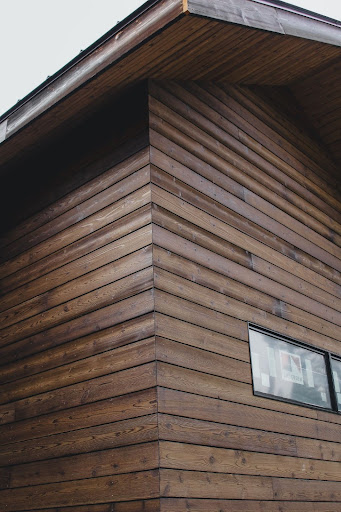
While many clients aim to preserve the newly charred appearance of Yakisugi, the natural aging process has its own advantages. The gradual changes that occur over time can truly enrich the design for both interiors and exteriors.
How Patina Enhances Texture and Character Over Time
During the natural carbon fading process, the material’s surface develops subtle variations that highlight the grain and deepen its organic character. For example, it can create:
- New textures: Fading carbon reveals new patterns, emphasizing the wood’s natural grain.
- A unique personality: Each board evolves differently and no two surfaces age in the same way.
- An authentic presence: The aged patina reinforces the wood’s handcrafted and natural origins.
Positive Aesthetic Impact on Exterior Design
For exteriors, the softening of the carbon layer creates a lived-in look. It allows the façade to evolve gracefully with its environment, highlighting the organic beauty of the wood. And, in turn, each home becomes a living, changing work of art.
Maintenance and Preservation Strategies
Preserving the allure of charred wood while embracing its natural changes requires a careful balance of protection and appreciation. Here’s how to protect both the strength and beauty of the wood.
Choosing the Right Finish
Selecting an appropriate wood finish is the first step in safeguarding the surface:
- A clear UV sealer is highly effective for reinforcing the carbon layer and extending its lifespan. For best results, reapply sealer every 3-5 years or as needed based on wear and weather exposure. You should focus on south and southwest-facing surfaces.
- Finishes like oils and sealants (semi-transparent or clear) help preserve the rich tones while still allowing the material to breathe and age gracefully.
Routine Maintenance Tips
Consistent care will also keep the siding resilient. For best results, regular care and maintenance should include:
- Clean regularly: Rinse the wood gently with a garden hose or low-pressure washer after construction and once a year thereafter. Keep the nozzle at least two feet away to prevent surface damage and avoid using soaps or chemicals.
- Inspect biannually: Every six months, look for cracks, splits and rot, especially around windows and doors.
- Reapply UV sealer: Every 3–5 years (or sooner for high-exposure areas), apply a clear UV-resistant sealer using a deck brush or airless sprayer.
- Manage moisture and pests: Keep gutters clean, maintain ventilation and ensure sprinklers don’t spray on siding. Trim vegetation and mulch away from the base.
When to Refinish or Repair
Knowing when to intervene can prolong beauty and prevent deeper damage.
Generally, if the charred surface looks dry, faded or shows signs of wear, such as delamination or grain exposure, it’s time to reapply a finish. Yakisugi panels should be repaired when you notice damage such as deep cracks, splitting or areas where the char layer has completely worn away.
Design Considerations for Long-Lasting Beauty
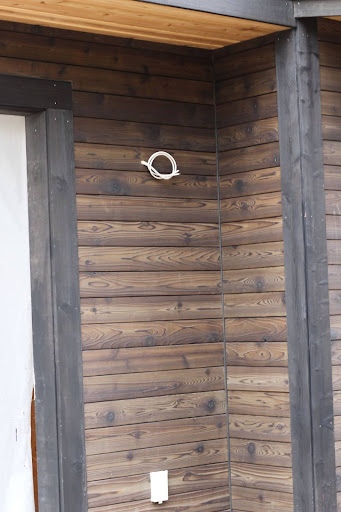
Beyond finishes and maintenance, the careful incorporation of Shou Sugi Ban wood into a project can impact its longevity and visual appeal. Here’s how to extend its life through thoughtful design decisions.
Placement and Exposure
Where you place Shou Sugi Ban wood on a structure directly affects how it ages. South- and west-facing walls often receive the most sun and weather, leading to faster carbon fading.
To mitigate this, use overhangs, canopies or strategic placements to reduce exposure. For interiors, place away from high-traffic zones to help preserve the refined charred finish.
Blending With Other Materials
Pairing charred wood with complementary materials can elevate its durability and design. For example, stone, glass and metal accents balance the warm qualities of charred wood while protecting areas most exposed to wear.
For exteriors, combining Shou Sugi Ban siding with materials like concrete or steel can reduce the surface area exposed to weathering.
Custom Finishes
Multi-tone stains, brushed textures, and layered treatments create distinctive surfaces that showcase the wood’s natural grain while providing added protection against fading. These finishes enhance design flexibility, allowing the material’s appearance to be tailored to complement any architectural style.
Blending Tradition with Modern Performance
Shou Sugi Ban wood evolves beautifully with time. By understanding the balance between intentional charring and natural fading, you can create thoughtful, one-of-a-kind designs for modern custom homes.
At Glacier Millworks, we blend timeless craftsmanship with modern durability to give you siding solutions that stand out. Browse our product lines to find the perfect fit for your next project or request a sample to see and feel the quality for yourself.