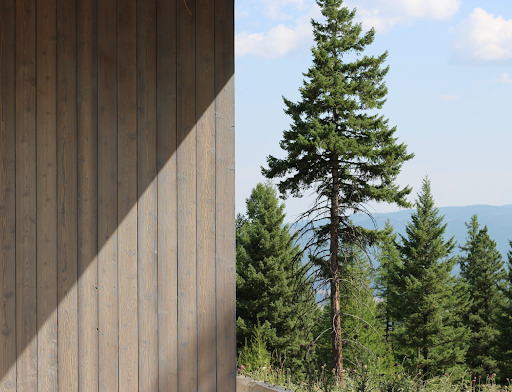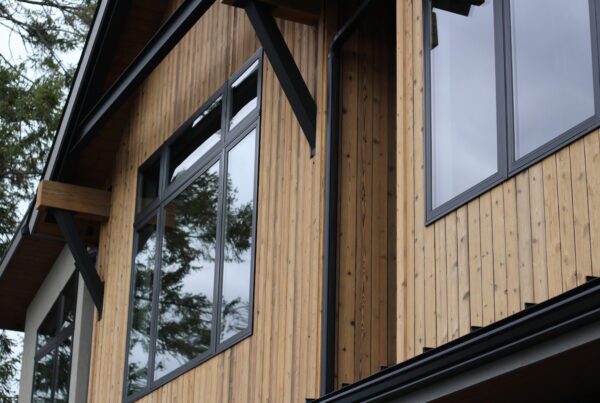

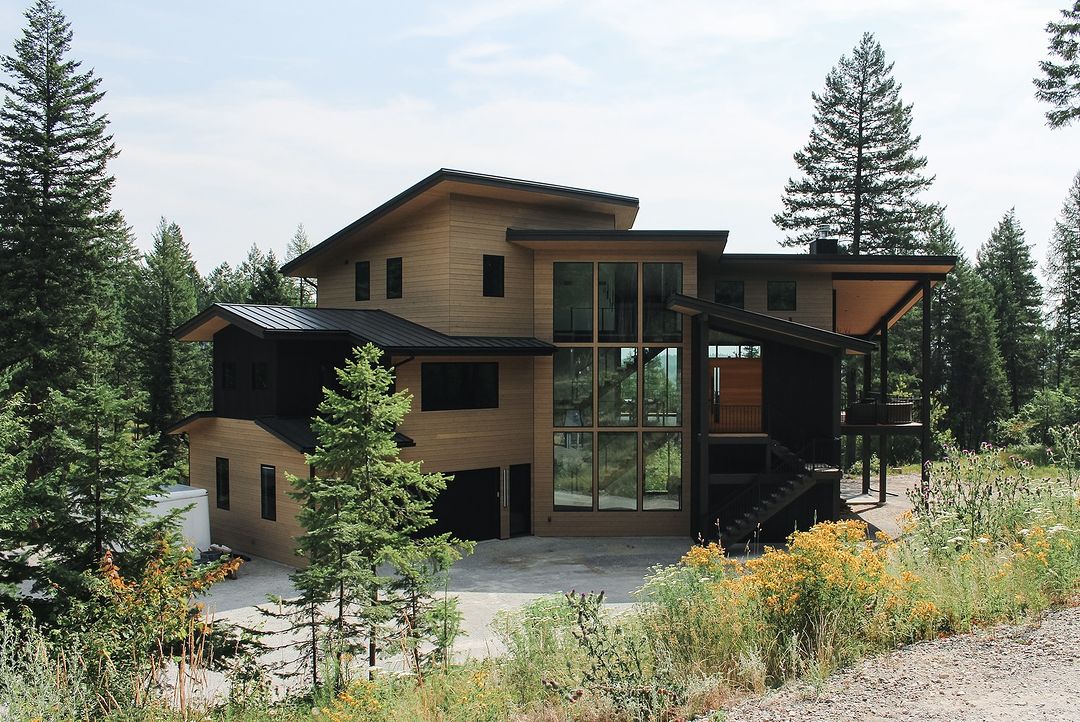
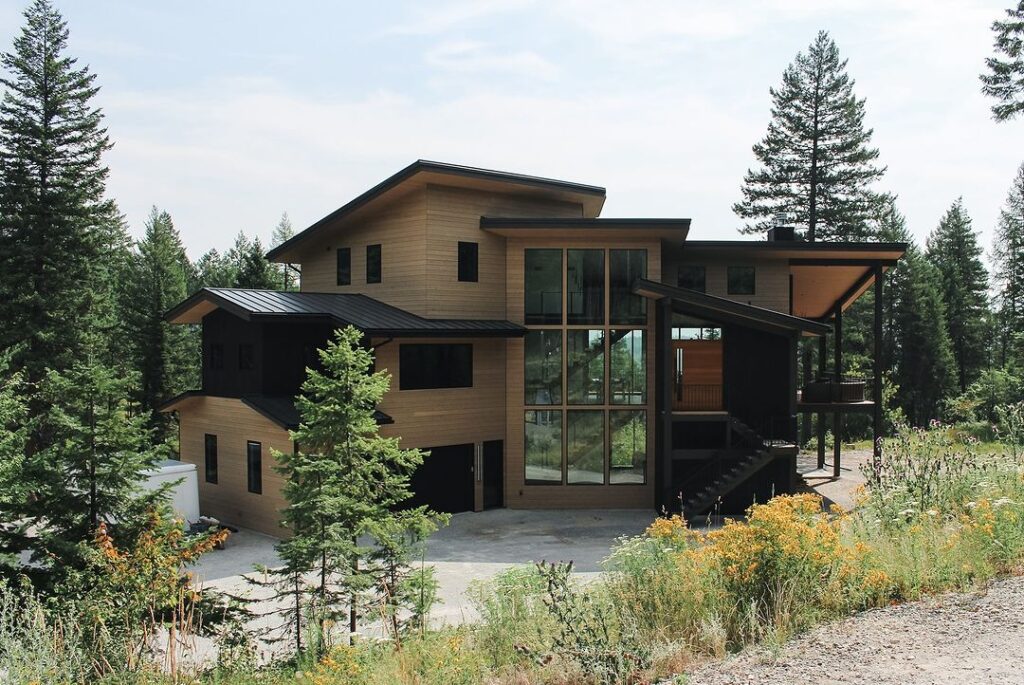
Working on exterior upgrades? Few elements make as big an impact as wood siding. However, for architects and builders, replacing wood siding goes beyond just curb appeal. It’s about protecting the structure and delivering lasting results.
We’re here to walk you through some expert tips on how to navigate every step of replacing wood siding. From selecting the right species to ensuring proper installation techniques, here’s how to avoid costly mistakes and deliver flawless exteriors.
When to Invest in Replacement
Knowing when to replace wood siding is just as important as knowing how to do it. Here are some key indicators that it’s time to invest in wood siding replacement:
-
- Visible Damage: Cracked, warped or rotting wood is a clear sign that the siding is no longer protecting the structure properly. These issues not only affect the look of the home but can lead to costly structural repairs if ignored.
- Moisture Issues: Persistent water damage or mold growth often indicates an underlying problem is compromising the building envelope. Left unaddressed, this can result in degraded insulation, poor indoor air quality and long-term damage.
- Aging Materials: Even minor wear, like faded finishes, can be early indicators that the siding is reaching the end of its service life. Replacing the siding ensures the home remains protected.
- Aesthetic Updates: Renovations or architectural upgrades often call for new siding to maintain design cohesion and enhance curb appeal. You can swap outdated cladding for a modern wood finish and completely transform a home’s exterior.
- Energy Efficiency Improvements: Replacing old siding is an opportunity to improve insulation and incorporate advanced weather barriers. This not only reduces energy costs but also increases the overall comfort and performance of the home.
Selecting Premium Materials for Wood Siding
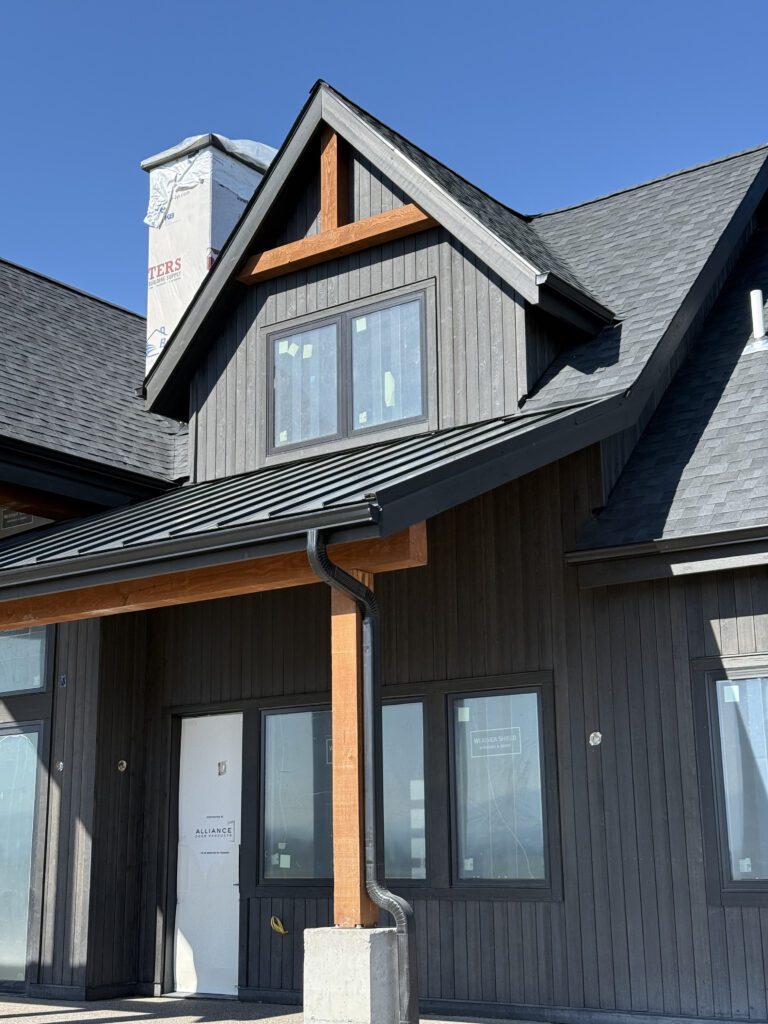
Choosing the right wood species and finish is paramount to achieving both beauty and durability. Cedar and redwood remain popular choices for their natural resistance to decay and insects, while engineered wood products offer enhanced stability and consistency.
For high-end projects, thermally modified wood is gaining attention for its dimensional stability and long-term performance.
Beyond the wood itself, pay close attention to finishes and treatments. Factory-finished options can provide more uniform protection and save time on site, but field-applied coatings also offer flexibility in color and customization. Stains and sealants add an extra layer of protection against the elements.
Preparing the Substrate for Long-Term Performance
Before replacing wood siding, the integrity of the substrate must be thoroughly evaluated.
Start by removing any existing cladding and inspecting the sheathing for moisture damage, rot or structural weaknesses. Addressing these issues early prevents future failures and creates a solid foundation for the siding.
Next, apply appropriate weather-resistant barriers, flashing and furring strips where needed to promote drainage and airflow. These steps help prevent moisture buildup behind the siding, extending the lifespan of the installation and improving overall building performance.
Achieving Flawless Alignment and Finish
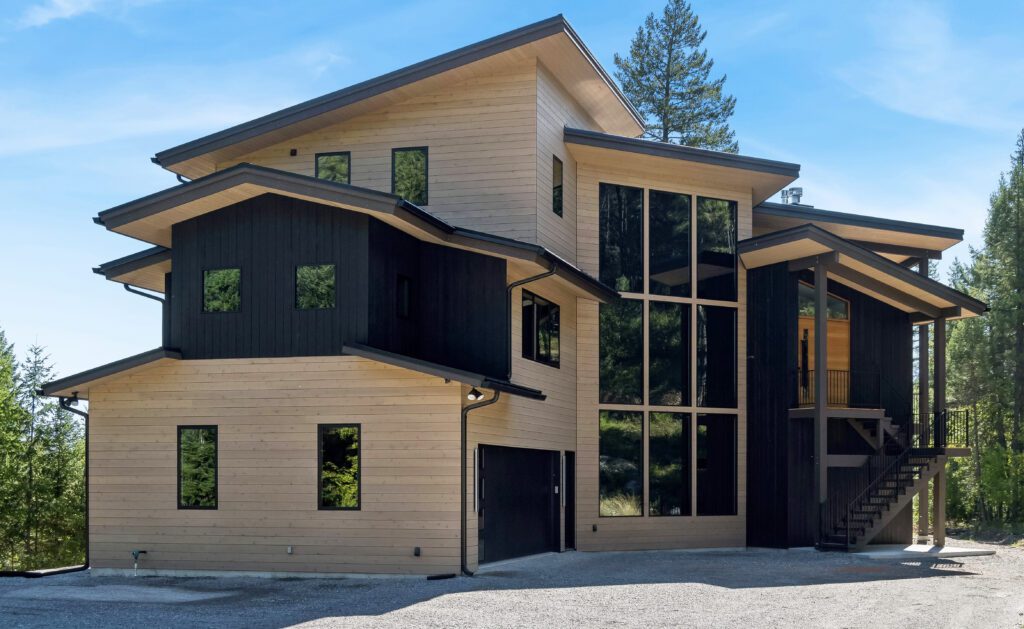
The visual impact of wood siding depends on proper alignment and finishing work. Even slight inconsistencies in spacing or edge treatment can undermine the overall look of the exterior.
Use string lines or laser levels to ensure boards are perfectly straight and maintain consistent reveals across the entire elevation.
End cuts should be clean, sealed and staggered properly to avoid noticeable joints or patterns. Pay attention to corner details, trim transitions and fastener placement, and focus on proper ventilation and moisture control during installation to prevent cupping, splitting or discoloration.
These finishing touches elevate the installation from standard to true craftsmanship.
Maximizing the Longevity and Visual Appeal
To protect the value and beauty of wood siding, long-term care and thoughtful finishing are essential. Prioritize high-quality sealants, stains or paints that are appropriate for the wood species and climate.
Additionally, collaborating with reputable, high-quality material brands ensures access to proven products, technical support and consistent results, which will help strengthen both the durability and visual outcome of the project.
While quality installation lays the foundation for lasting performance, it’s equally important that homeowners understand their role in ongoing care and upkeep. Explain to your customers that regular maintenance, like cleaning, reapplying finishes and inspecting for wear, goes a long way in preserving performance and appearance.
Debunking Maintenance Myths about Wood Siding
Wood siding often gets a bad reputation for being high-maintenance, but many of these assumptions don’t hold up, especially when compared to materials like metal or vinyl.
Here are a few common misconceptions worth clearing up:
-
- Myth: Wood siding needs constant upkeep. With the right finish and proper installation, wood siding can go years without major maintenance. High-quality sealants and stains provide long-lasting protection when applied correctly.
-
- Myth: Wood wears out faster than other materials. While wood is a natural material, modern treatment methods and proper installation techniques greatly extend its lifespan, often rivaling or outlasting metal or composite options.
- Myth: Wood siding isn’t suitable for harsh climates. Species like cedar and thermally modified wood are naturally resistant to moisture and decay, making them a strong choice even in demanding weather conditions.
- Myth: Wood is harder to replace than metal or vinyl. Individual boards of wood siding can actually be more easily replaced or repaired without disrupting the entire facade.
- Myth: Wood is not worth the effort. Wood siding offers unmatched warmth, character and curb appeal. These qualities not only enhance design but also add long-term value to a home.
Post-Installation Maintenance Strategies
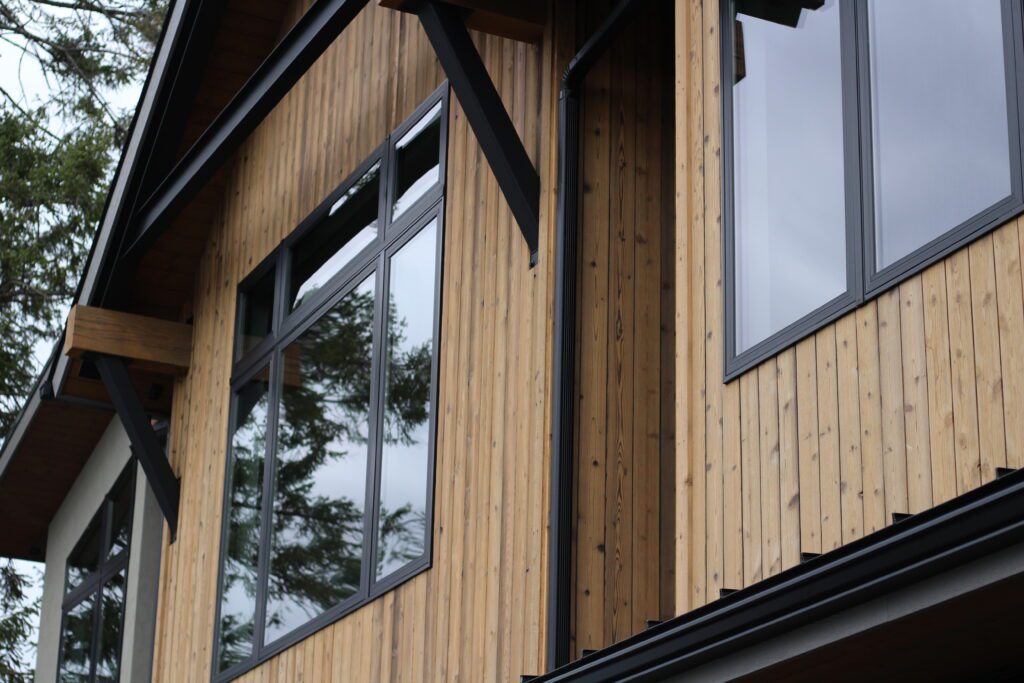
To keep wood siding looking its best and performing over the long haul, a proactive maintenance routine is a must-have. Here are some strategies to recommend to your customers that will help preserve both function and appearance:
-
- Inspect annually for signs of wear or damage, including peeling finish, cracks or moisture intrusion. Early detection helps prevent bigger problems down the line.
- Clean the siding regularly with a soft brush or low-pressure wash to remove dirt, mold and mildew that can break down the finish over time.
- Reapply stain or paint as needed, typically every 5 to 7 years, depending on exposure and climate. Use high-quality, breathable coatings designed for exterior wood.
- Maintain proper drainage around the foundation to prevent water from splashing up and saturating the lower boards.
- Trim back nearby trees and landscaping to promote airflow and prevent moisture buildup from shade and plant contact.
- Monitor caulking and sealants at joints and around windows or doors, reapplying the solution where gaps appear.
Premium Solutions Start with Glacier Millworks
Replacing wood siding is a valuable investment that can dramatically enhance a home’s appearance, protection and long-term value. With premium materials, expert installation and a solid maintenance plan, builders and architects can deliver an exterior that performs as beautifully as it looks.
For builders and architects ready to take the next step, Glacier Millworks offers premium wood siding solutions designed for lasting impact. Explore our products to find the right fit for your next exterior project — and don’t forget to request a sample to see the quality for yourself.