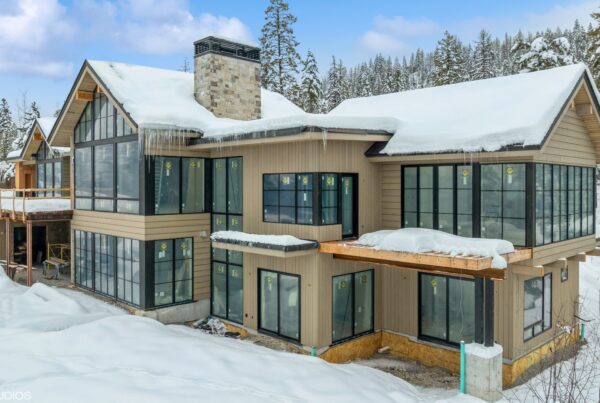

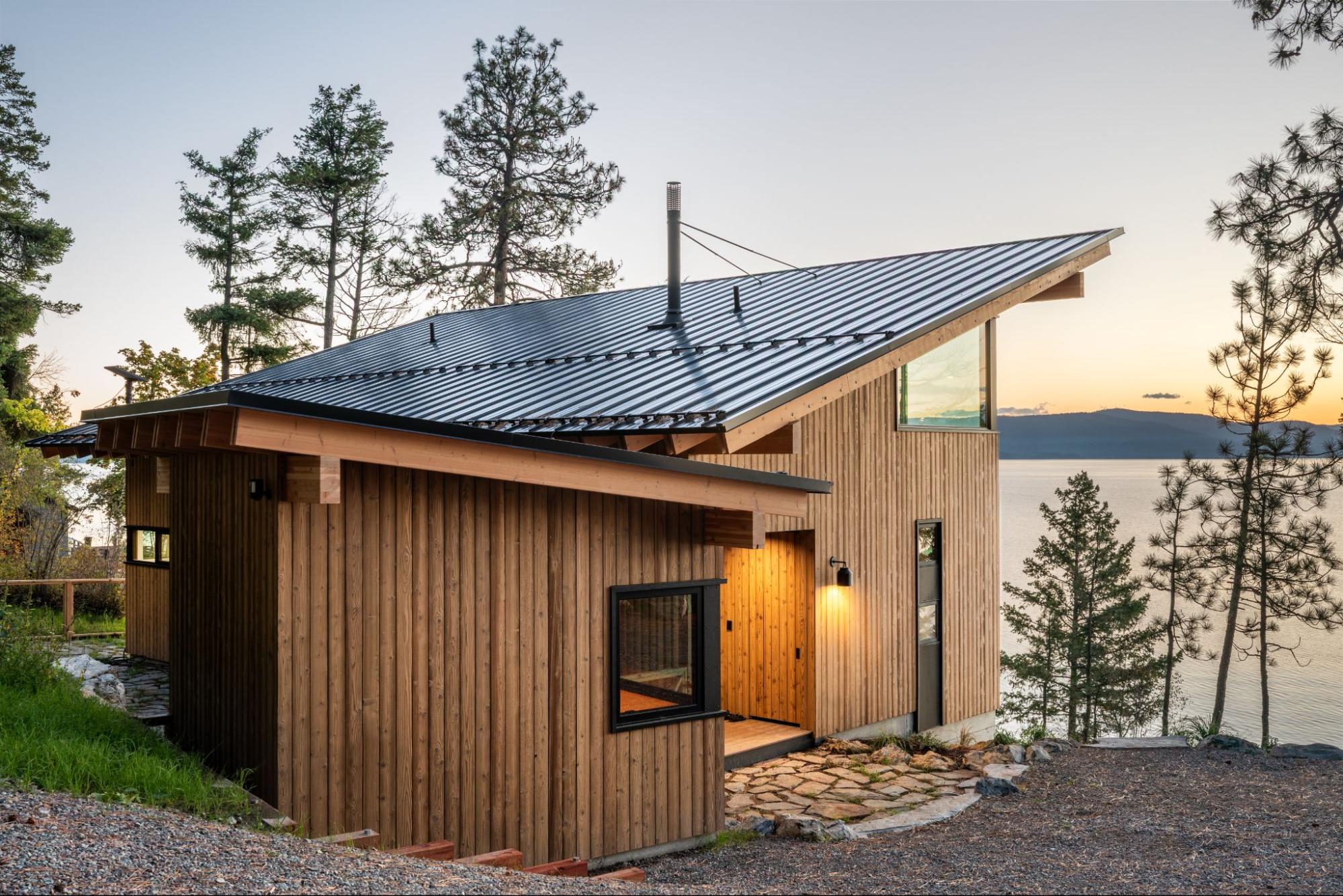
In luxury design, architects and builders prioritize materials that meet high standards for sustainability and long-term durability, not just appearance.
Thermally modified wood meets those demands, performing reliably across demanding applications. It’s natural wood transformed through heat and steam to improve dimensional stability, resilience and resistance to decay.
Here’s how it compares to tropical hardwoods, naturally durable domestic species and chemically treated alternatives — and where it stands out in performance and use.
Key Performance Criteria for Premium Woods
When specifying premium wood materials, key performance benchmarks separate exceptional choices from adequate ones. Here’s why these criteria matter for long-term project success.
Dimensional Stability
Dimensional stability determines how well wood maintains its shape through seasonal moisture changes and temperature fluctuations.
Thermally modified wood excels here. The heat treatment alters the cell structure to reduce swelling and shrinking compared to untreated wood. This stability minimizes warping and gaps that compromise aesthetics and structural integrity over time.
Moisture and Rot Resistance
A material’s ability to resist moisture and biological decay directly impacts its longevity in exterior and high-humidity applications.
The thermal modification process reduces the wood’s moisture content and eliminates the sugars that feed fungi and insects. This creates natural decay resistance comparable to tropical hardwoods, without the chemical treatments or preservatives.
Lifespan in Exterior Applications
Expected service life directly impacts lifecycle costs and determines the true value of premium materials.
Thermally treated wood can often last 25 years or more in demanding exterior applications when properly installed and finished.
Many tropical hardwoods offer similar lifespans, while chemically treated alternatives and naturally durable domestic species vary depending on climate exposure and maintenance practices.
Maintenance Requirements
Ongoing maintenance affects both the total cost of ownership and the practical realities of building management.
Thermally modified wood requires periodic refinishing to maintain color but needs no chemical treatments or preservatives throughout its lifespan.
The reduced movement and superior stability also mean fewer repairs for warping issues compared to untreated alternatives.
Comparing Thermally Modified Wood to Other Premium Options
Understanding how thermally treated wood products compare to other premium materials can help architects and builders make the best decisions for their projects. Here’s how they stack up against the leading alternatives.
Accoya vs. Thermally Modified Wood
Accoya uses acetylation, a chemical process that modifies wood at the molecular level to achieve exceptional dimensional stability and durability.
While both materials offer superior performance compared to untreated wood, Accoya typically comes with a higher price point and relies on chemical treatment rather than heat alone.
For projects prioritizing a chemical-free approach with strong performance at a more accessible price point, thermally modified wood offers a practical alternative.
Kebony vs. Thermally Modified Wood
Kebony combines heat treatment with a bio-based liquid that polymerizes within the wood structure, creating enhanced hardness and density.
This hybrid approach delivers tropical hardwood-like performance with increased surface hardness compared to standard thermal modification.
Thermally modified wood offers a purely heat-based alternative that achieves excellent dimensional stability and decay resistance.
While Kebony excels in surface hardness, thermal modification provides a more cost-effective path to comparable durability through a simplified process.
Cedar vs. Thermally Modified Wood
Western red cedar has long been valued for its natural beauty, workability and inherent decay resistance from naturally occurring oils.
However, western red cedar is softer than thermally modified wood and more prone to denting, and it can experience greater dimensional movement in changing moisture conditions.
Thermally engineered wood offers improved stability and hardness, along with a wider range of species options and natural color variation to support diverse design applications.
For applications where dimensional stability and long-term performance are critical, thermally modified wood offers a more durable and consistent alternative to cedar.
Lunawood vs. Other Thermally Modified Wood (A Branded Difference)
Lunawood is one of the most recognized brands of thermally modified Nordic spruce, trusted by architects and builders worldwide for its durability, dimensional stability, and natural beauty.
Terra Therm is built on the same premium foundation. Our Nordic spruce is sourced from the same Scandinavian region and thermally modified using the same time-tested process that has made Scandinavian thermally modified wood the industry benchmark. Both products deliver the performance architects expect from premium thermally modified wood.
Where Terra Therm stands apart is what happens after thermal modification. Glacier Millworks combines precision milling with artisan finishing in Montana, giving architects and builders the flexibility to specify custom profiles, project-specific finishes and tailored solutions beyond standard imported profiles and finishes.
The result is premium Scandinavian thermally modified spruce paired with customization, craftsmanship and responsive support of Glacier Millworks-delivering the design flexibility architects and builders need without compromising on performance.
Architectural Applications for Premium Wood
Premium wood is used across a range of architectural applications, but its success depends on choosing the right material for the job.
Thermally modified wood is a standout choice for modern architecture because it balances natural beauty with high-end stability. From durable exterior walls to refined interior details, it provides the reliable performance that contemporary designs require.
Exterior Cladding and Siding
Heat-enhanced wood is a leading choice for exterior cladding systems where dimensional stability and weather resistance are non-negotiables.
The material’s reduced moisture absorption minimizes the seasonal movement that causes splitting, warping and fastener failure in traditional siding.
Architects appreciate the consistent color palette achieved through thermal modification, which creates depth while maintaining a natural wood aesthetic that weathers gracefully over time.
Soffits and Ceilings
The superior stability of thermally treated wood makes it ideal for soffit and ceiling applications where gaps and warping would be highly visible and difficult to repair.
Its natural decay resistance performs well in semi-protected exterior zones that experience moisture exposure without direct rain contact.
The material accepts stains and finishes readily, allowing designers to achieve refined interior-like aesthetics in exterior overhead applications.
Interior Wood Paneling
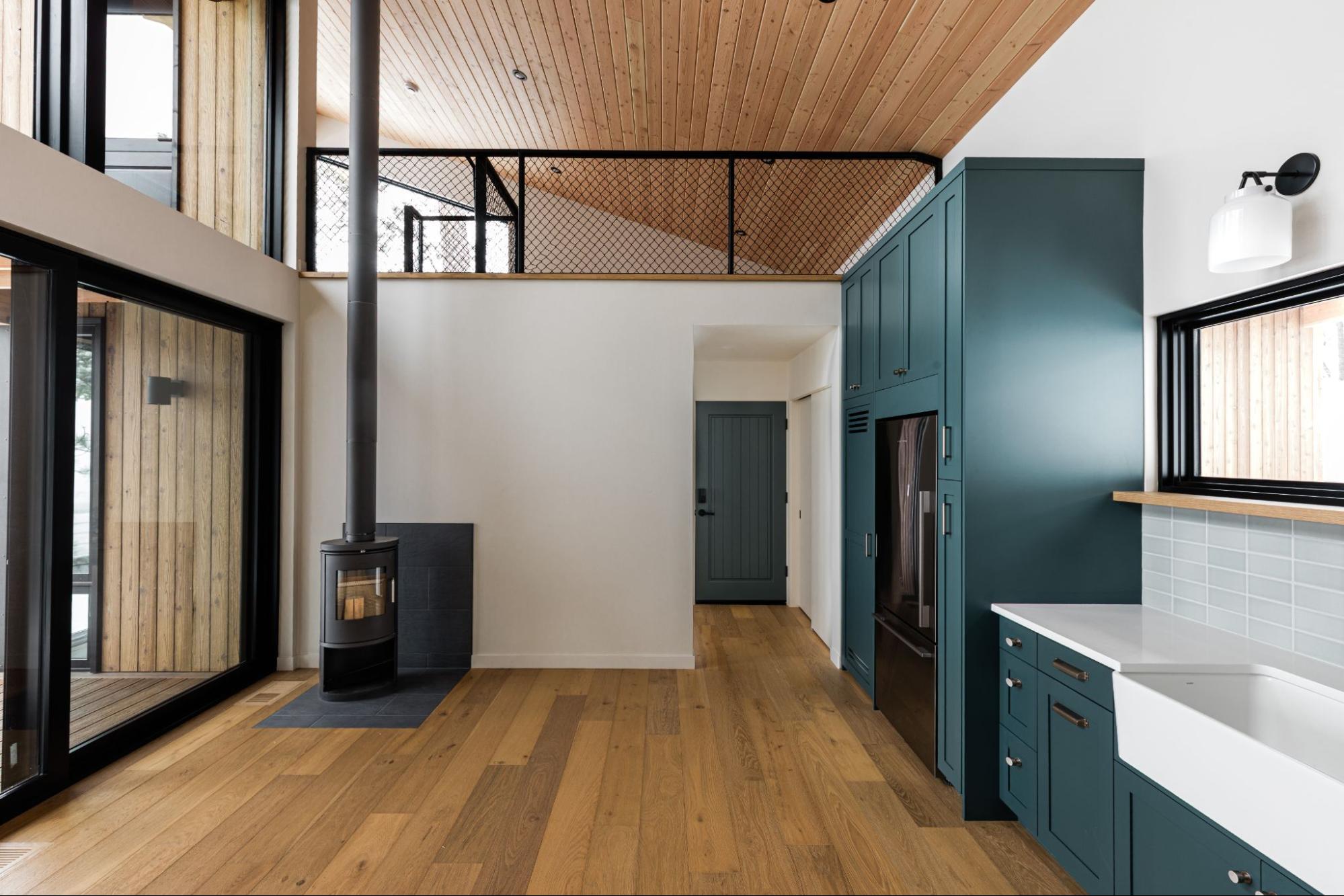
Thermally modified wood brings natural beauty to interior paneling while offering practical advantages over untreated alternatives. The enhanced dimensional stability means panels maintain clean lines without seasonal gaps, creating refined installations that stay beautiful.
The material’s reduced moisture content and improved stability make it especially valuable in bathrooms, kitchens and other high-humidity spaces where traditional wood might warp or degrade.
Is Thermally Engineered Wood the Future?
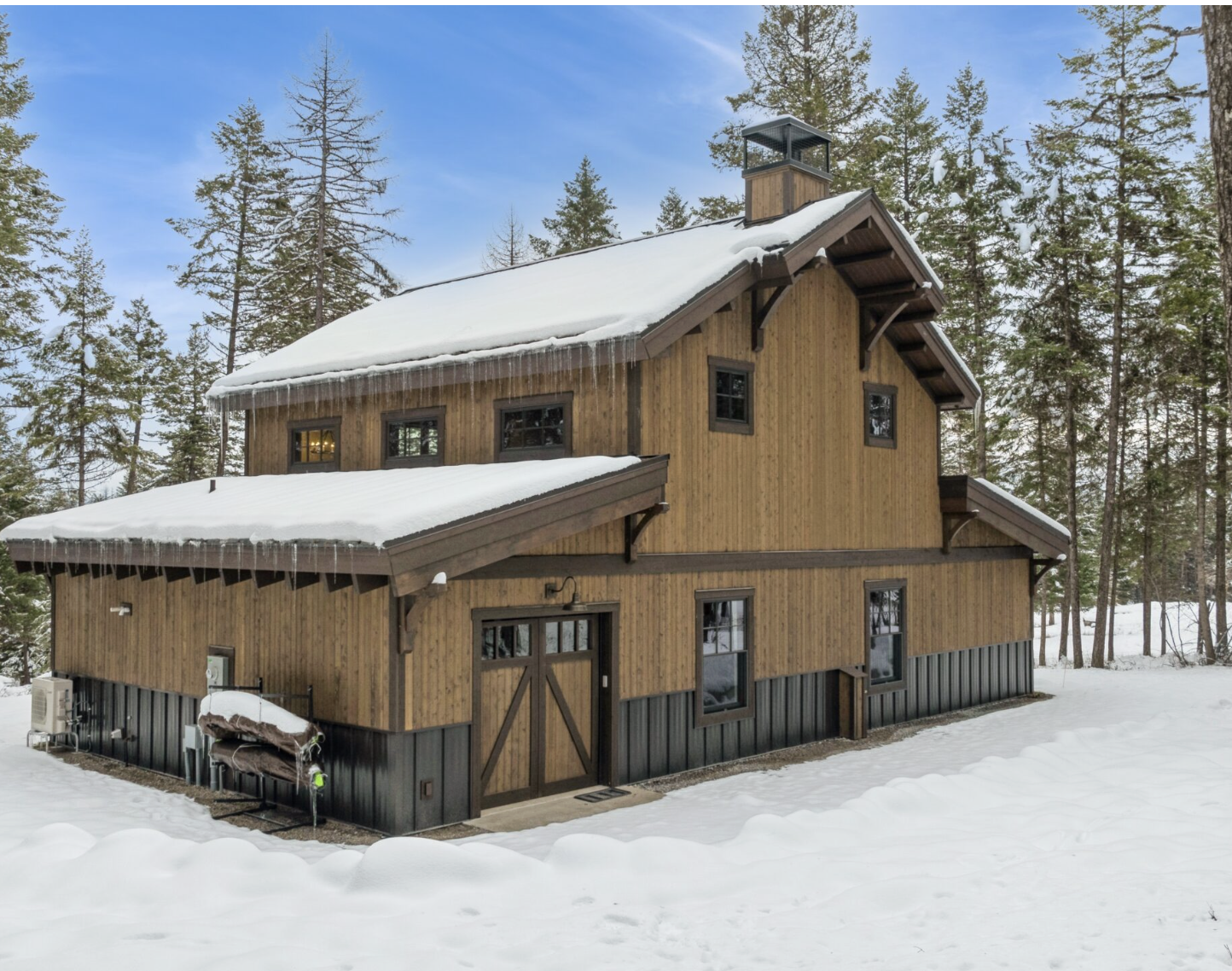 Thermally enhanced wood delivers the performance, sustainability and design versatility modern architecture demands. With improved durability and a chemical-free modification process, it is built for the next generation of premium design.
Ready to specify thermally modified wood in your next projects? Glacier Millworks’ Terra Therm line offers domestically produced options with the flexibility of custom milling.
Request a sample to evaluate how thermally modified wood performs in your next project.